Stop the Mats! Brushing Schedules Every Long-Haired Dog Needs
Author:Arooba
Released:January 9, 2026
Living with a long-haired dog can feel like having a fluffy celebrity at home. Their silky coats turn heads at the park and make cuddle time extra cozy, but that beautiful coat needs consistent care. Miss a few brushing sessions and those soft strands can quickly turn into stubborn tangles.
Regular brushing keeps your dog comfortable, prevents matting, and supports overall coat health. With the right routine and tools, maintaining a long-haired coat becomes much easier than most owners expect.
Pet owners are spending more on grooming as part of a broader pet care routine. The global pet grooming services market is expected to reach over $12 billion by 2030, reflecting rising demand for routine grooming and coat maintenance.
Why Regular Brushing Matters for Long-Haired Dogs
A long coat may look beautiful, but it traps loose fur, dirt, and debris. If these particles stay too long, they form tangles that tighten over time and eventually turn into mats, pulling on the skin and causing discomfort.
Regular brushing prevents this, removes loose hair, spreads natural oils, and keeps the coat smooth and manageable. Beyond appearance, grooming lets you check for skin irritation, parasites, or unusual bumps that might otherwise go unnoticed, helping catch issues early.
Brushing also strengthens the bond between you and your dog, as many dogs grow to enjoy these calm moments of attention and care.
How Often Should You Brush a Long-Haired Dog?
Not all long-haired breeds need the same grooming routine. Coat thickness, texture, and daily activity all influence brushing frequency. Fine or silky coats tangle quickly, while thicker coats may resist tangling but shed heavily. Knowing your dog’s coat type helps set the right schedule.
Breeds That Need Daily Brushing
Some dogs require daily attention to stay tangle-free:
Afghan Hounds
Maltese
Yorkshire Terriers
Shih Tzus
Lhasa Apsos
These breeds have delicate hair, especially around the ears and legs, and can develop mats in a single day if neglected.
Dogs That Can Be Brushed Every Few Days
Dogs with thicker or coarser coats can usually be brushed every 2–3 days:
Golden Retrievers
Bernese Mountain Dogs
Rough Collies
Australian Shepherds
For these breeds, brushing every other day removes loose undercoat hair and prevents tangles from forming.
Tips
Outdoor dogs may need daily brushing even if their breed usually allows gaps, to remove debris and prevent matting.
Adjust frequency by season: shedding seasons (spring and fall) require more regular brushing.
Short, consistent sessions are better than infrequent long sessions; 5-10 minutes daily keeps most coats manageable.
Pay extra attention to high-friction areas: behind ears, under front legs, around the collar, and near the tail.
With a tailored schedule and attention to your dog’s specific coat type, brushing becomes easier and more effective.
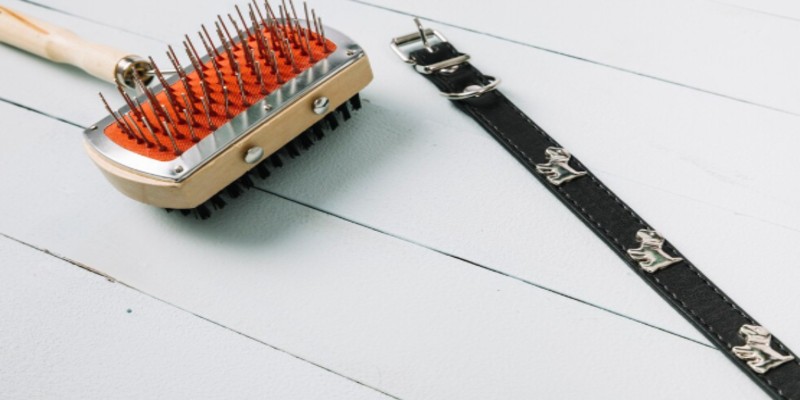
Choosing the Right Grooming Tools
Many pet owners feel overwhelmed by the wide variety of grooming brushes available, but a few well-chosen tools handle most long-haired coats effectively.
Pin Brushes
Pin brushes work well for smoothing the outer layer and distributing natural oils. Look for rounded bristle tips to avoid scratching and a comfortable, non-slip handle.
For very fine or delicate hair, a shorter-bristle version can prevent pulling. Brands like Hertzko, Safari, and Andis offer durable pin brushes suitable for small to medium long-haired breeds.
Slicker Brushes
Slicker brushes are great for gently removing small tangles and loose hair. Choose one with fine, flexible bristles to avoid irritating the skin, and pick a size appropriate to your dog’s body.
Chris Christensen, FURminator, and JW Pet make reliable slicker brushes that are widely recommended by groomers.
Metal Combs
Metal combs help catch hidden tangles and groom delicate areas like the face, ears, and paws. Look for combs with a mix of wide and fine teeth for versatility, and select stainless steel to prevent bending or rust. Safari, Andis, and Chris Christensen are strong options.
Undercoat Rakes
Undercoat rakes remove loose undercoat hair, especially in double-coated breeds during shedding. Pick a rake with smooth, blunt tips and a comfortable handle to reduce hand fatigue. FURminator, Hertzko, and Safari make effective rakes that work on large and small dogs alike.
The Correct Brushing Technique
Using the right technique is just as important as using the right tools. Many owners make the mistake of brushing only the top layer of fur, leaving hidden tangles underneath.
- Section the Coat
Divide the coat into small, manageable sections, especially for thick or long fur. Work on one section at a time, starting from the back or sides and moving toward the front. This ensures no area is missed and prevents tangles from spreading.
- Follow Hair Growth Direction
Brush in the natural direction of hair growth rather than against it. This reduces pulling, minimizes breakage, and helps the coat lay smooth. For areas with dense underfur, use gentle lifting motions before brushing downward.
- Use Layered Motion
Even after brushing the top layer, gently lift and separate layers of fur underneath with your fingers before going over them again with the brush. This ensures hidden mats are loosened and prevents new tangles from forming. Focus on high-friction areas like behind the ears, under the front legs, around the tail, and the chest.
- Adjust Pressure According to Coat and Skin
Apply gentle pressure near sensitive areas like the belly, ears, and face. Firm pressure can be used on thicker, less sensitive areas like the back and thighs. Watch your dog’s reaction, if they flinch, lighten your touch.
- Finish with a Smoothing Pass
Once all tangles are removed, lightly run your hand over the coat to check for uneven spots or remaining knots. A final gentle stroke distributes natural oils evenly, giving the coat a polished, smooth finish.
- Check for Skin and Health Issues
While brushing, examine the skin for redness, bumps, parasites, or dry patches. Regular grooming sessions help you spot minor issues before they become serious.
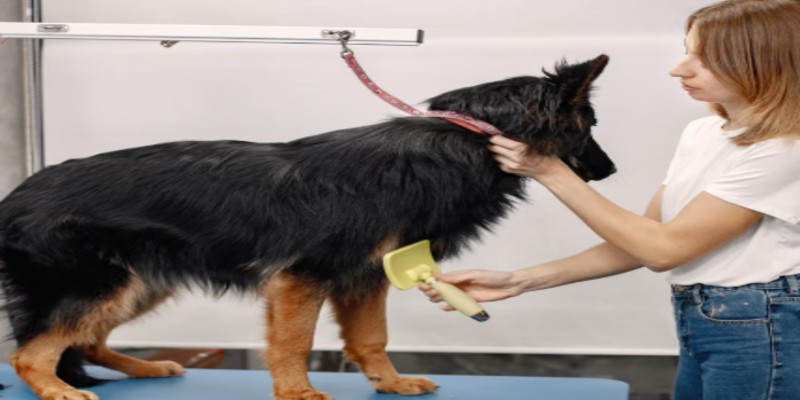
Areas Where Mats Form Most Often
Certain parts of a dog’s body experience constant movement and friction. Because of this, tangles tend to appear in these spots more frequently.
Pay close attention to:
Behind the ears
Under the front legs
Around the collar area
Near the tail
These areas should always be checked carefully during brushing sessions. Small tangles found early are far easier to remove than large mats that develop over time.
When ProfessionaGrooming Is Helpful
Even the most dedicated dog owners sometimes face coats that become difficult to manage. When mats grow too tight, removing them safely at home can be challenging.
Professional groomers have specialized tools and experience that allow them to handle severe matting without harming the dog’s skin. Many experts recommend scheduling grooming appointments every six to eight weeks for long-haired breeds.
These visits also help maintain coat shape and remove excess hair, making daily maintenance easier between appointments.
Making Grooming Time Enjoyable
For many dogs, grooming becomes a positive experience when introduced gradually. Puppies that grow up with regular brushing usually adapt quickly, but adult dogs can also learn to enjoy it with patience.
Start with short sessions and reward your dog with treats or praise. Over time, your dog will associate brushing with attention and relaxation rather than discomfort.
Choosing a quiet area with good lighting can also make grooming easier. When both you and your dog feel comfortable, brushing sessions tend to go much more smoothly.
Related Posts
Cat Purring Meaning: Not Always Happiness, Here's Why
Cat Anxiety Signs At Home And How To Calm Them Naturally
Wearable Tech for Pets: How It Helps Monitor Fitness and Wellness

Flying With Pets: TSA Rules And Preparation Guide
Canine Agility Training: A Complete Guide for Beginners